






/01
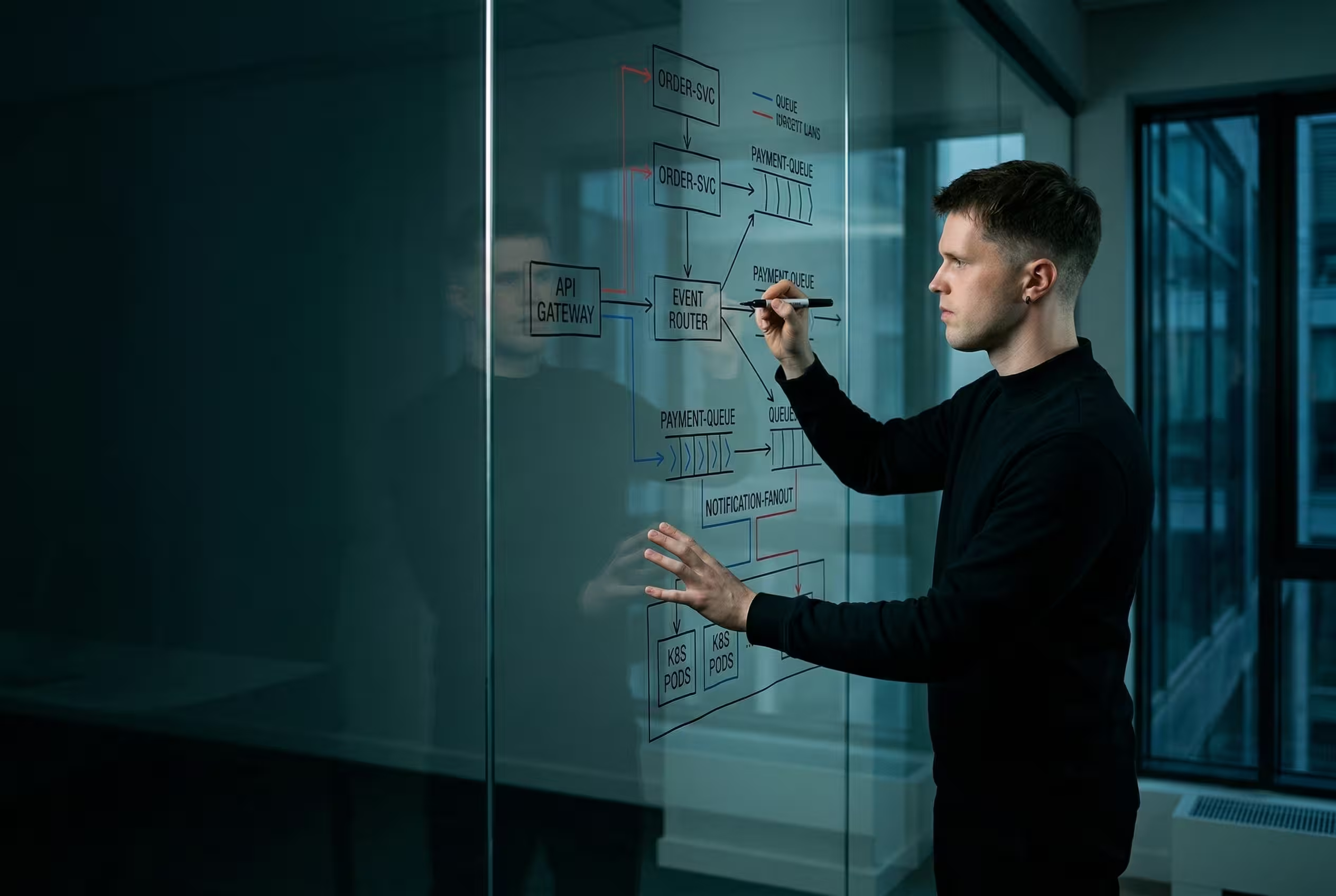
I define system boundaries, integration patterns, and rollout shape so teams can add capability without making the platform harder to operate
Designing systems that survive scale
Staff Software Engineer
Where technical direction becomes production reality
distributed deletion pipeline
designed and delivered a queue-based deletion pipeline that cleared a multi-million-customer backlog, scaled to 60k customers a day, and kept recovery predictable under load
60k+
customers processed at peak
$64m
regulatory risk removed
peak throughput
zero-downtime schema evolution
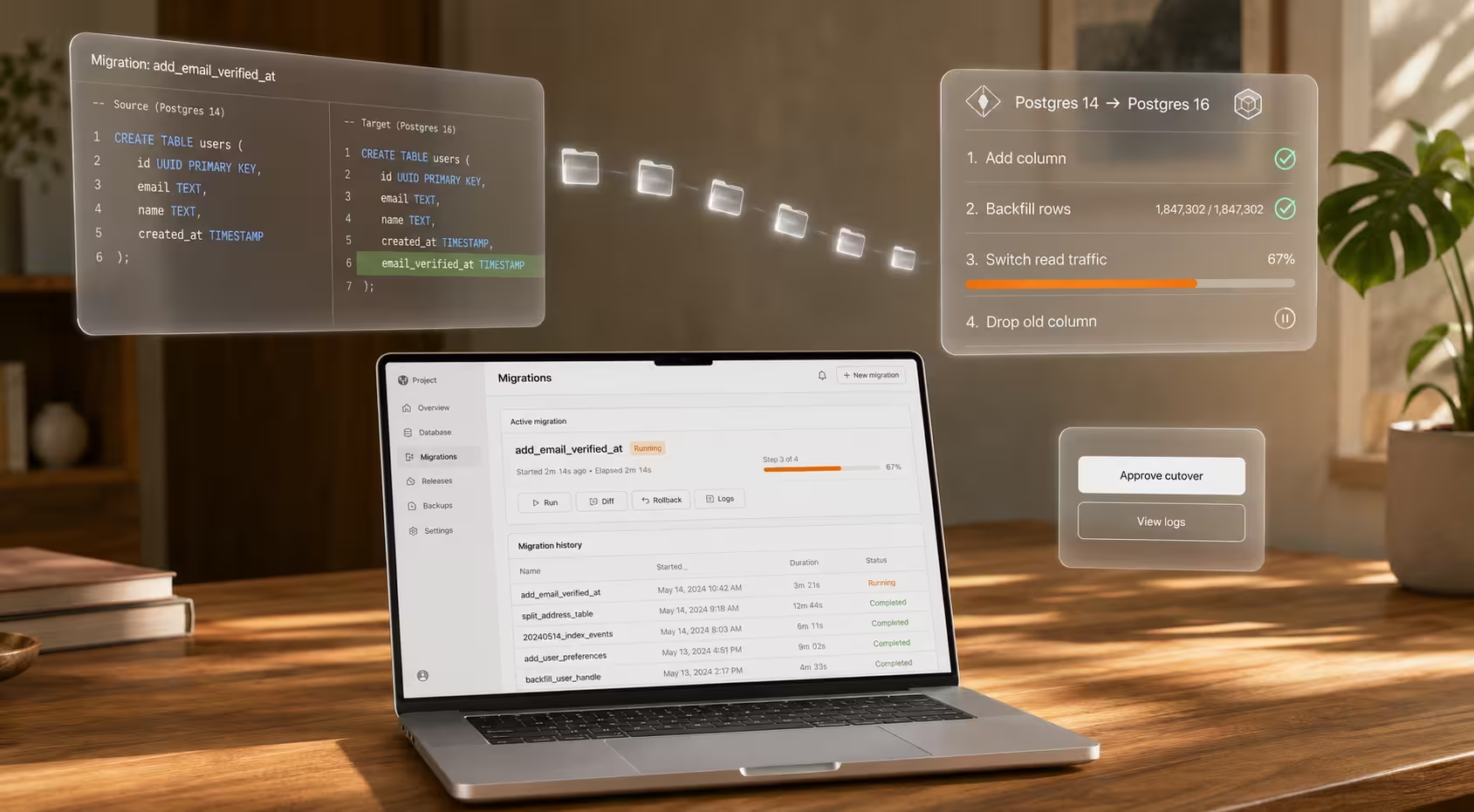
redesigned and delivered a live schema migration across 200m+ records, making critical queries 10-15x faster and the data model far easier to evolve without downtime
200m+
production docs re-modeled
15x
query speed improvement
data volume
selected outcomes
metrics & milestones
the strongest technical decisions did more than clean up systems. they removed risk, increased revenue, reduced cost, and made teams faster
what sits behind the numbers
the work that made the numbers possible
These results came from practical engineering work before systems were under pressure: isolating failures per customer instead of per batch, removing unnecessary API calls, and creating migration paths that let live data change without downtime
I stay close to the architecture, rollout, implementation, and production behavior because that is where cost, throughput, and risk are usually decided
CPU reduction
97%
team velocity increase
30%
performance snapshot
response-time reduction
95%
daily notifications
10m+
resource reduction
41%
live migration (gb)
100+
infra savings
$6k
I own the technical decisions, delivery paths, and cross-team alignment behind systems that need to scale, evolve, and stay operable under real business pressure
/01
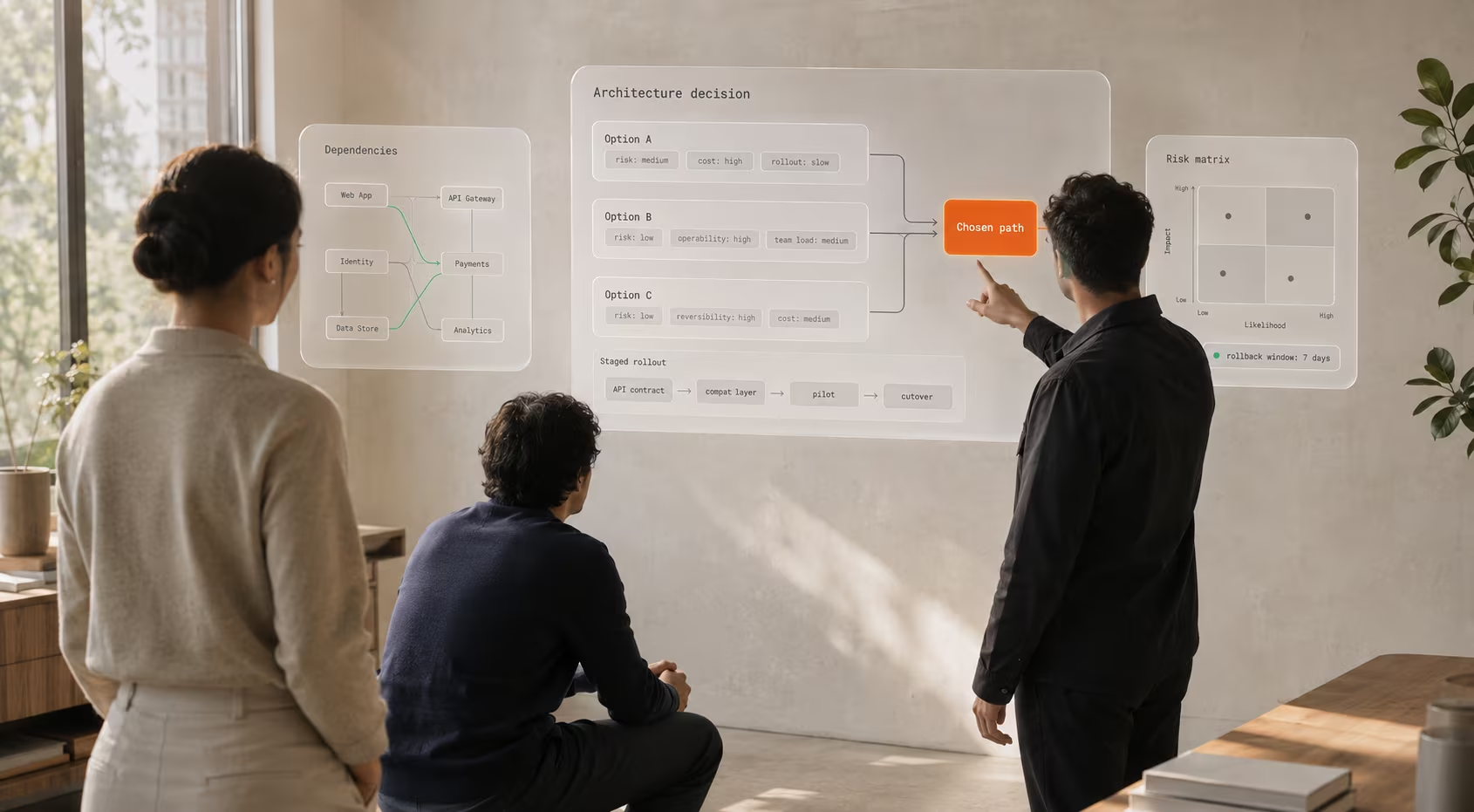
I define system boundaries, integration patterns, and rollout shape so teams can add capability without making the platform harder to operate
/02
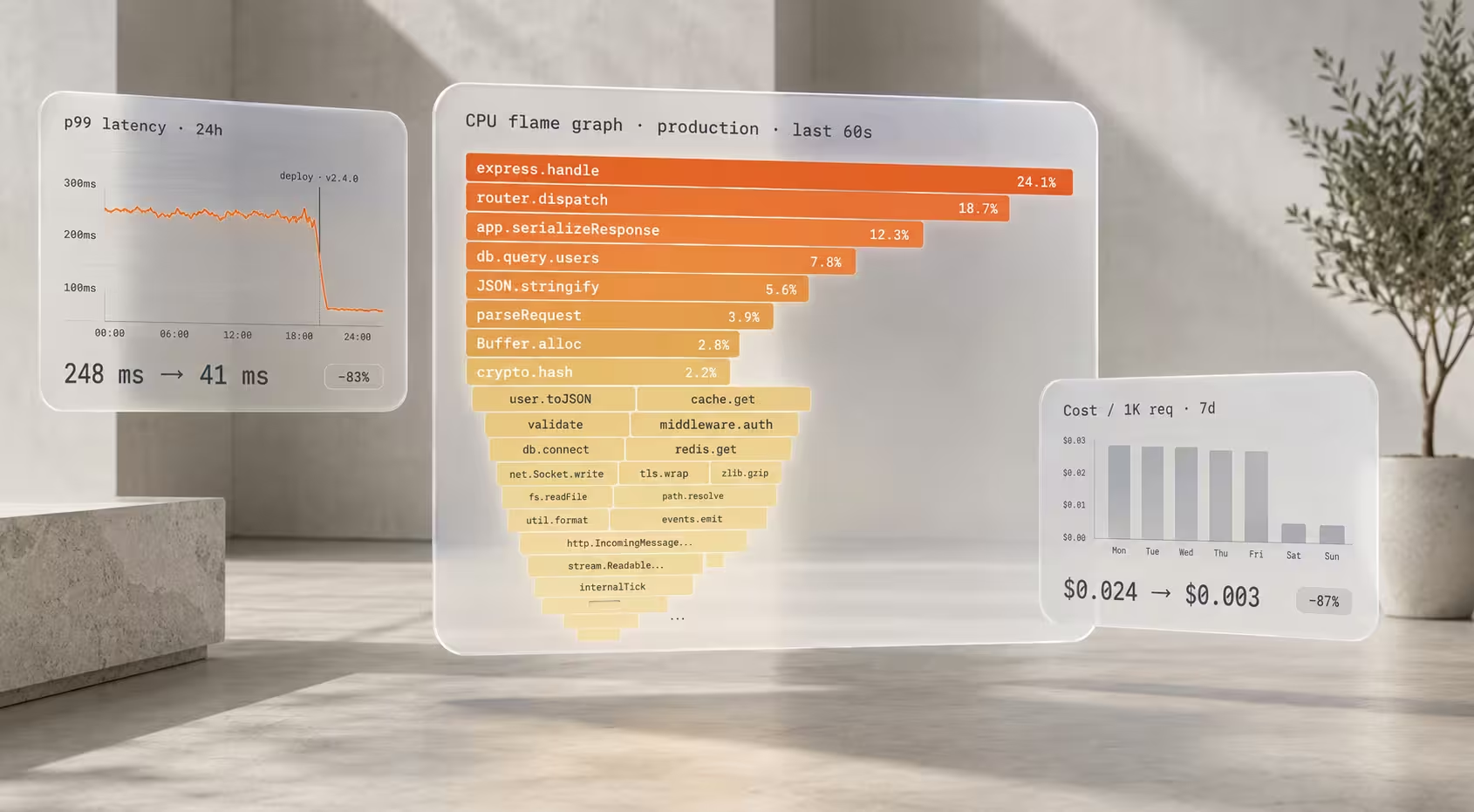
I improve throughput, latency, and cost where architecture is the real bottleneck: unnecessary calls, wasteful data access, and runtime patterns that do not hold at production volume
/03
I plan and deliver migrations that keep live systems moving while data models, contracts, and infrastructure change underneath them
/04
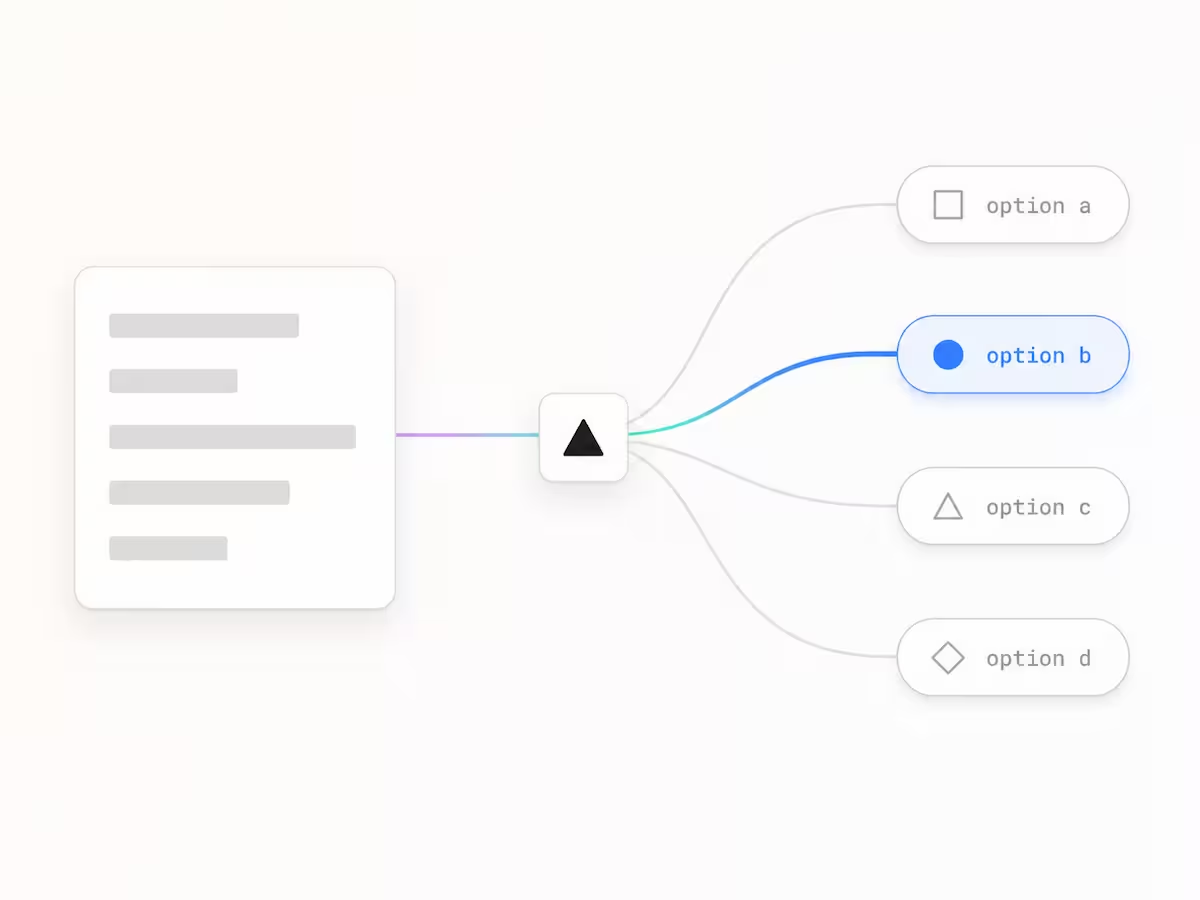
I give ambiguous work a clear technical path, align the teams involved, and stay close enough to delivery for the decision to hold up in production
operating model
from ambiguity to production
I usually add the most value before the code is written: choosing the right path early, planning safe change, and staying involved until the result is proven in production
operating principle
4/4
I make the important decisions early, then stay with the work through production
problem framing
I make the important constraints and tradeoffs clear early, so the team is solving the right problem from the start
safe change
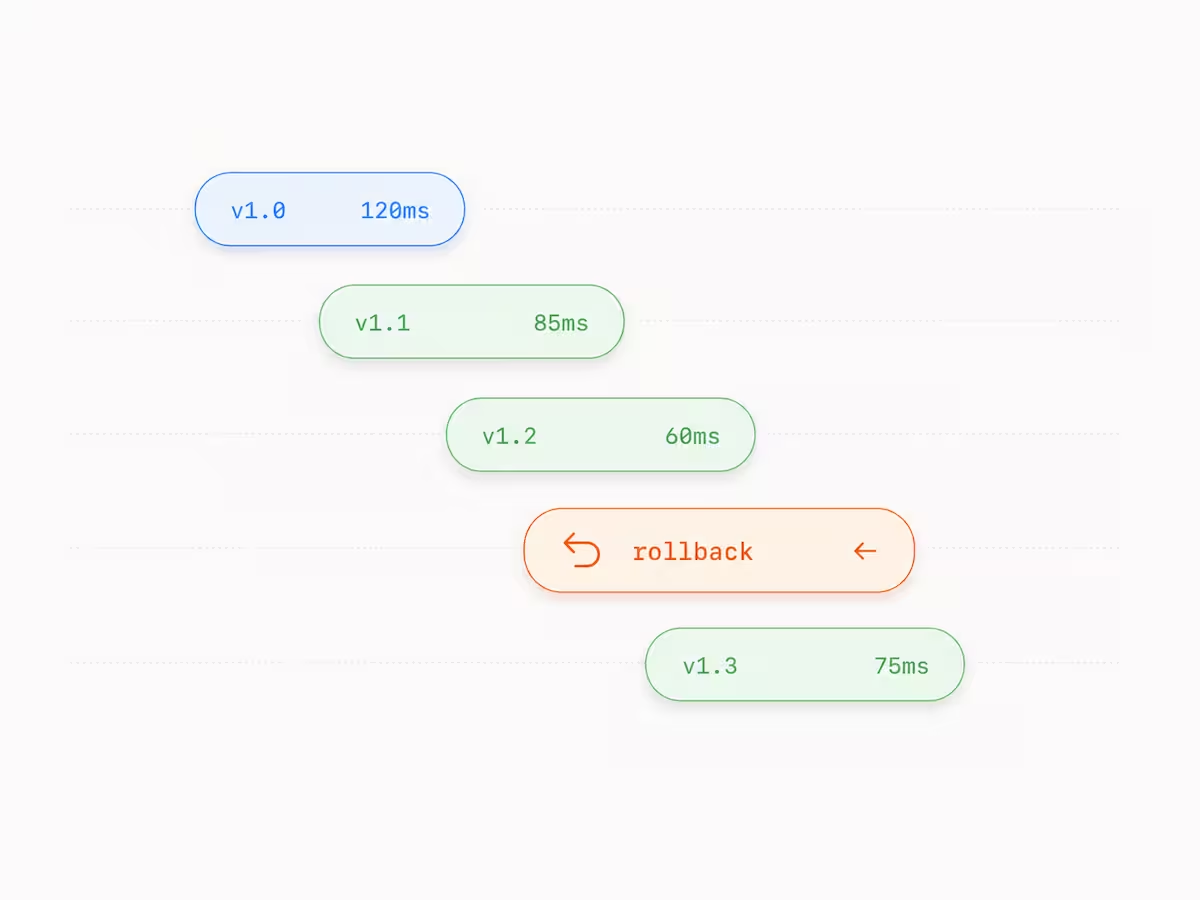
I break risky changes into smaller, reversible steps, so live systems can move forward without betting everything on one release
hands-on execution
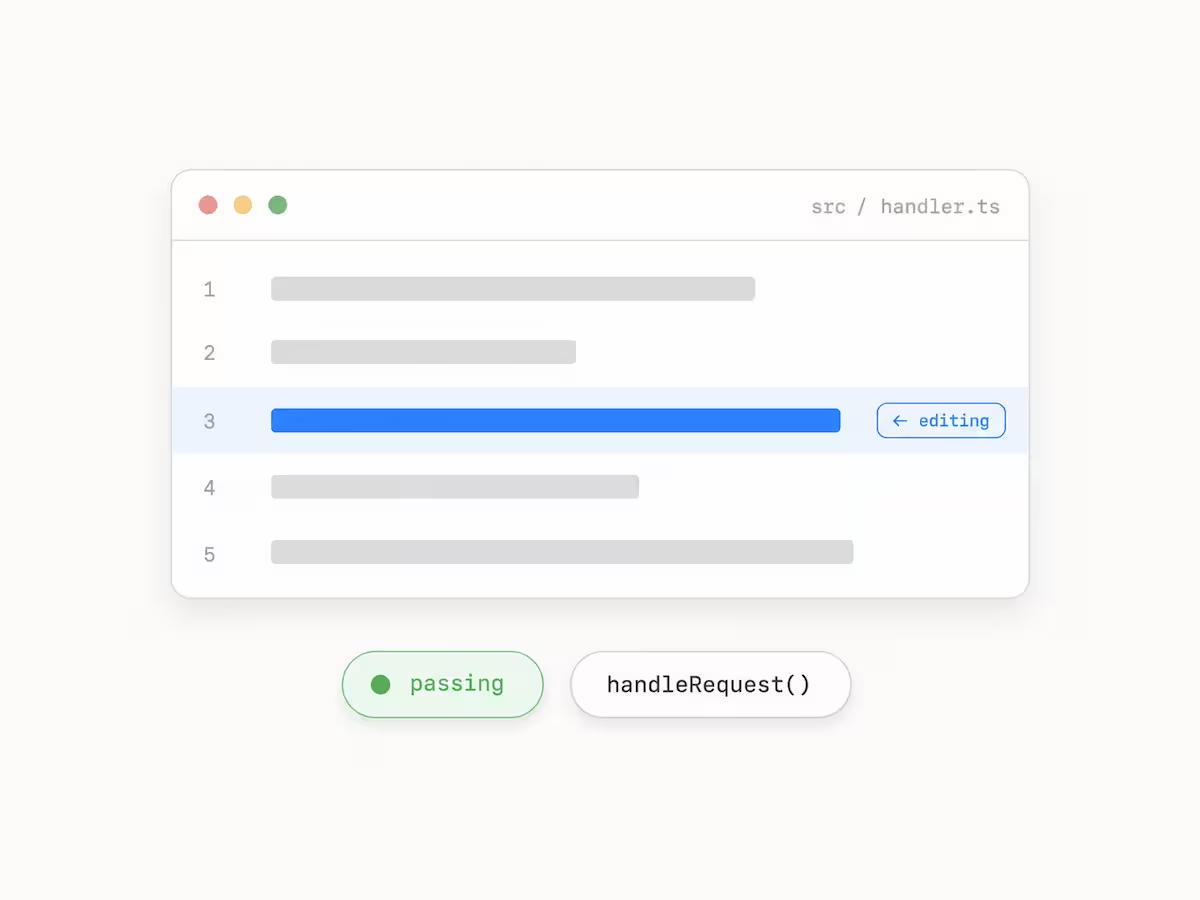
I stay close to the code in migrations, hot paths, and unclear systems. I still write and review production code, and I use AI to speed up implementation without lowering the bar
production ownership
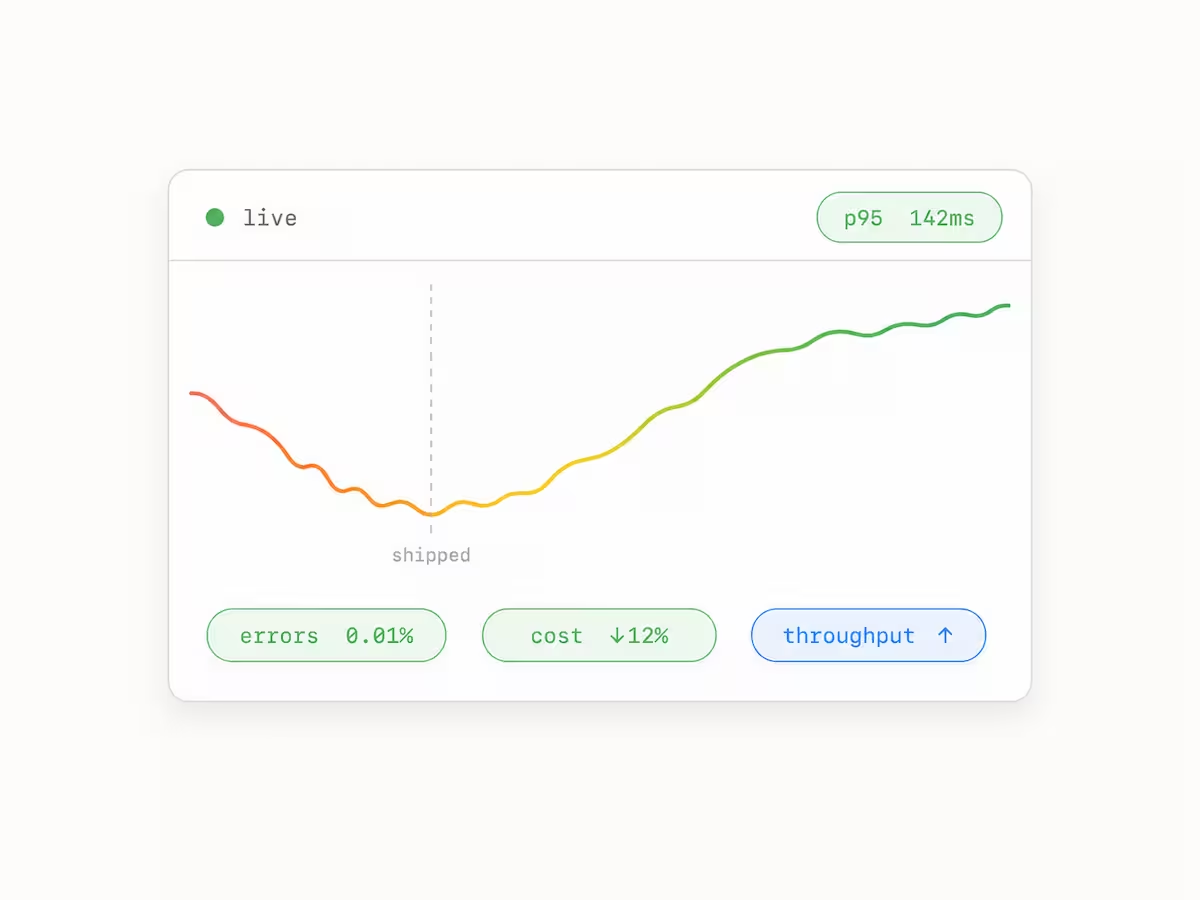
I take changes into production, watch the signals that matter, and adjust until the result shows up in performance, cost, reliability, or delivery speed